
Cycling Tips for Comfortable Longer Rides
Master the techniques and strategies that'll keep you comfortable on extended rides through the heritage corridor without fatigue or soreness
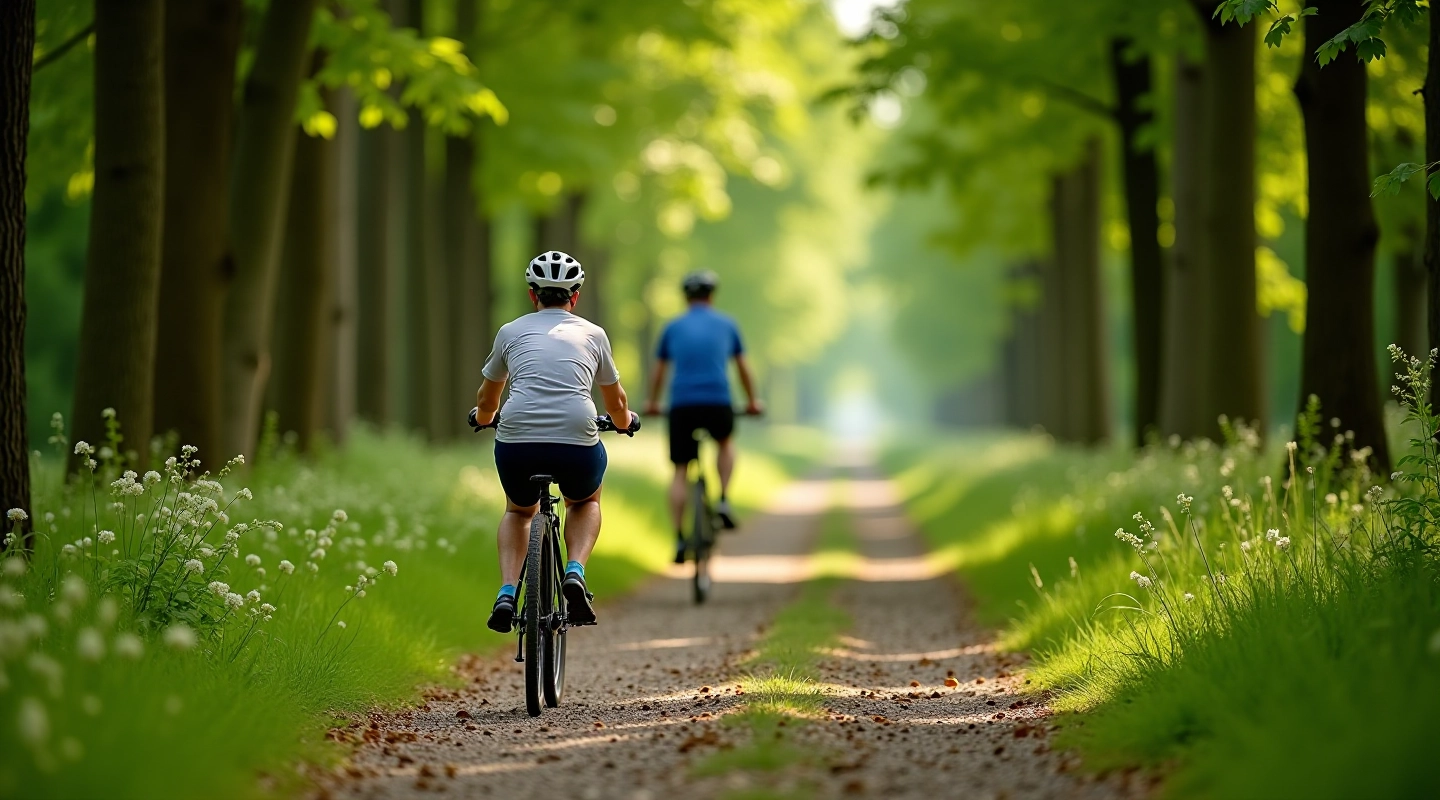
Why Comfort Matters on Longer Rides
You're planning to spend 3-4 hours on the Anykščiai heritage trail, and that's brilliant. But there's a difference between just finishing a ride and actually enjoying every minute of it. Discomfort creeps in fast — a numb backside, sore wrists, tired legs — and suddenly what should've been pleasant becomes something you're just trying to get through.
The good news? Most of these problems aren't about being "tough enough." They're about technique, preparation, and knowing your body. We've put together the practical stuff that actually works — not theoretical advice, but real strategies cyclists use to stay comfortable on extended rides.
What You'll Learn
- Proper bike setup and positioning for your body
- Pacing strategies that conserve energy
- Hydration and nutrition timing
- Managing common aches and fatigue
- Recovery techniques between rides
Get Your Bike Setup Right
You can't feel comfortable on a bike that doesn't fit you properly. It's that simple. A lot of people ride bikes that are either too big, too small, or just set up wrong — and then they wonder why their back hurts.
Saddle height is the first thing. Your leg should be almost straight at the bottom of the pedal stroke, with just a slight bend in your knee. Too high and your hips rock side to side. Too low and you're straining your knees. We're talking millimeters of difference making a real impact on how your body feels after 2 hours.
Handlebar height matters too. If they're too low, you're putting all your weight on your wrists and shoulders. Too high and you're working harder because of the angle. Most people find they're most comfortable when the bars are roughly level with the saddle, maybe slightly lower. It'll depend on your flexibility and the type of riding you're doing.
Don't forget about the seat itself. The right saddle makes an enormous difference — and there's no universal "best" saddle. Some people prefer wider, cushioned seats. Others want something narrower and firmer. You might need to try a few before finding your match.
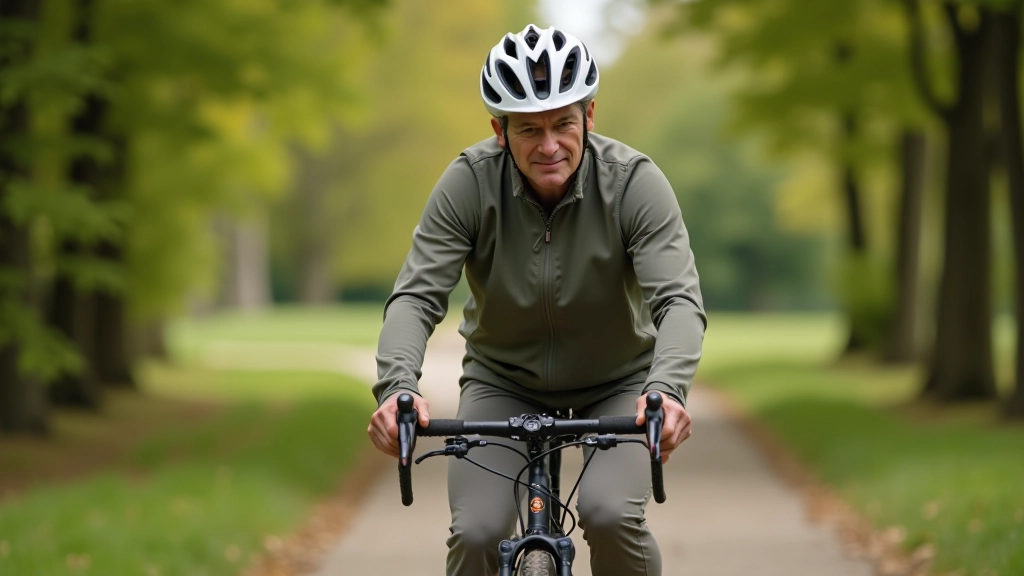
Pro Tip: Start with a Professional Fit
If you're investing serious time in longer rides, a professional bike fit is worth the money. A technician can measure your body geometry and adjust your bike precisely. You'll notice the difference immediately — and you'll thank yourself on ride three.
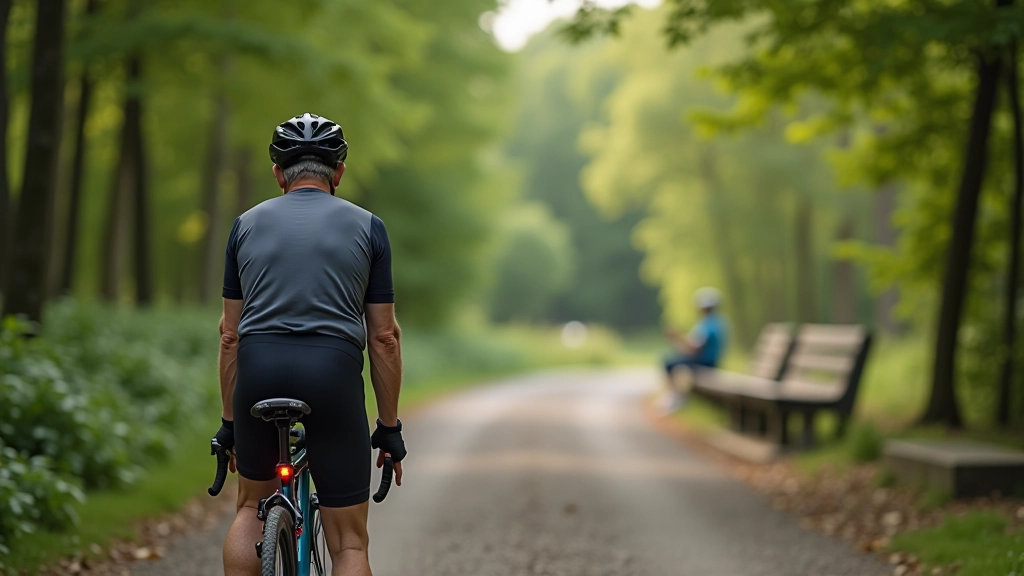
Pace Yourself Smart
This is where a lot of people go wrong. They start fast, feel strong, and burn themselves out by hour two. Then they're exhausted, uncomfortable, and just trying to finish.
The trick is to ride at a pace where you can still hold a conversation. If you're breathing too hard to talk, you're going too fast. It sounds simple, but it works. You're looking for a sustainable rhythm — one you could maintain for hours without feeling like you're redlining.
On the heritage corridor trail, you've got relatively gentle terrain with minimal elevation. Don't treat it like a race. Use the first 20-30 minutes to warm up your legs properly. Your muscles need that time to loosen up and get into the flow. Then settle into a comfortable pace for the bulk of your ride.
Plan for a proper break around the 90-minute mark. Dismount, walk around, stretch your legs a bit. This isn't wasted time — it actually helps your body recover and prepares you for the second half feeling fresher.
Hydration Timing Matters
Don't wait until you're thirsty to drink. Start hydrating from the first 15 minutes and take regular sips — small amounts every 10-15 minutes. On a 3-hour ride, you'll want to drink about 500ml per hour in moderate conditions. More if it's warm. Dehydration sneaks up on you and makes everything harder — your legs feel heavy, your mind gets foggy, and that comfort evaporates fast.
Fuel Your Ride Right
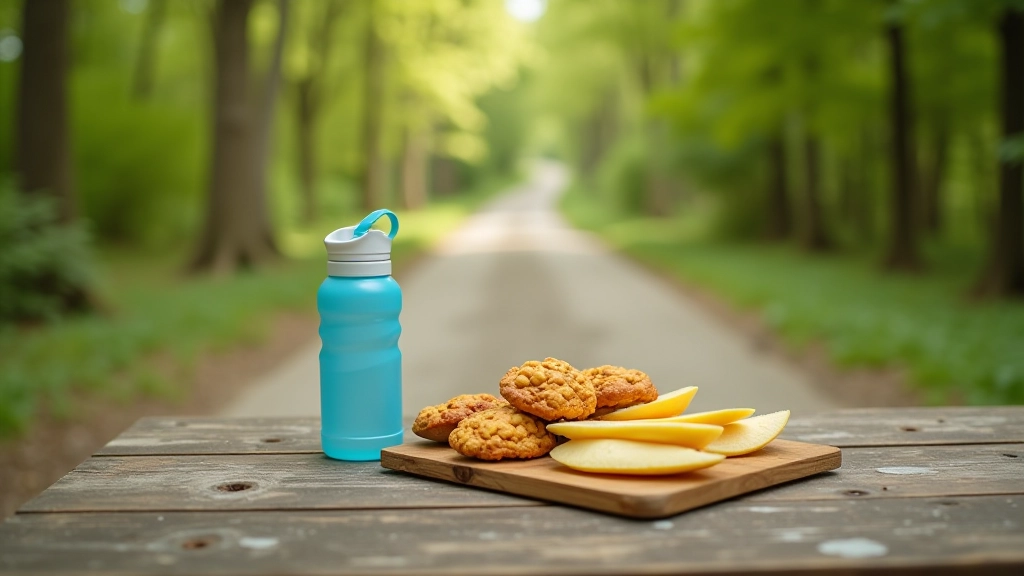
You don't need much on a 2-3 hour ride, but what you take makes a difference. Eat something small before you start — a banana, a bowl of porridge, a couple of slices of toast. Not a heavy meal, but enough to give your body fuel. Ride on an empty stomach and you'll hit a wall around the 90-minute mark.
On the ride itself, simple carbs work best. Energy bars, bananas, dates, or sports drinks. Your muscles burn through glycogen pretty quickly once you're moving, and if you wait until you're starving to eat, it's too late — you're already fatigued. A small snack every 45-60 minutes keeps your energy steady.
The heritage trail has rest stops at the forest stations — take advantage of them. It's the perfect time to eat, drink, and let your body recover a bit. You're not trying to set speed records here. You're out to enjoy the trail and feel good doing it.
After your ride, eat something with carbs and protein within 30 minutes. Your muscles are primed to absorb nutrients and repair themselves. This recovery meal makes a real difference in how you feel the next day — less soreness, more energy, ready to ride again sooner.
Manage Common Aches
Even with perfect setup and pacing, some discomfort might show up on longer rides. That's normal. The key is managing it before it becomes a real problem.
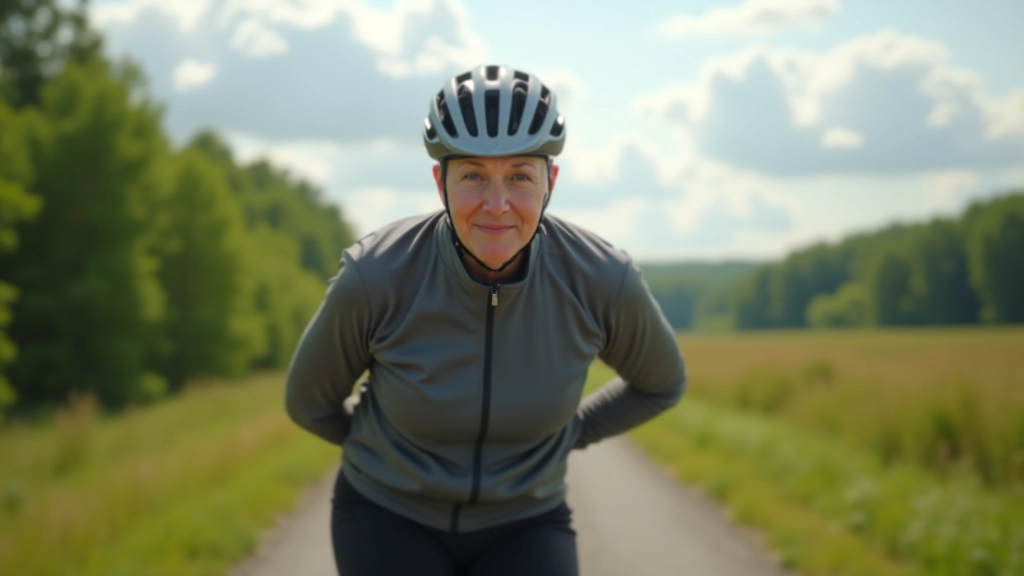
Saddle soreness is common on extended rides, especially if you're not used to spending that much time on the bike. Your sit bones need time to adapt. Padded cycling shorts help — the padding distributes pressure better than regular clothes. Change positions on the saddle every 15-20 minutes, shifting your weight slightly. Stand up and out of the saddle for short intervals to give that area a break.
Wrist and neck pain usually comes from holding the same position too long. Keep your grip relaxed — you're not trying to crush the handlebars. Shift your hand position every few minutes, moving between the drops and the hoods if your bike has them. Roll your shoulders back occasionally and stretch your neck gently.
Knee pain is often a sign something's wrong with your setup or your form. Don't push through sharp pain. If it happens, ease off and check your bike position. Most of the time, it's either the saddle too low or too far back. Small adjustments fix it.
Important Note
Choose cycling activities that match your current fitness level, check local trail conditions before heading out, and speak with your GP if you have health concerns before starting longer rides. Everyone's body responds differently — what works for one person might need adjustment for another. Listen to your body and don't ignore persistent pain.
Recovery Between Rides
What you do after the ride matters as much as what you do during it. Proper recovery means you'll feel better sooner and you'll be ready for your next ride faster.
Cool down gently — don't just stop and sit down. Spend 5-10 minutes riding at an easy pace or walking to let your heart rate come down gradually. Then stretch while your muscles are still warm. Focus on your quads, hamstrings, hip flexors, and calves — the muscles that did the work. Hold each stretch for 20-30 seconds, not bouncing.
Eat that recovery meal we mentioned — carbs plus protein. Your muscles repair and rebuild during the hours after exercise, and they need the right nutrients to do it properly. Chocolate milk, a sandwich, pasta with chicken, eggs on toast — nothing fancy, just real food.
Sleep's important too. Your body does most of its actual repair work while you're resting. If you're riding regularly, make sure you're getting enough sleep — 7-9 hours is the target for most people. If you're waking up still tired or sore, you might need more recovery time between rides.
It's also worth doing some easy, gentle movement on non-ride days. A 15-minute walk or some light stretching keeps your body loose and ready. You don't need intense exercise on rest days — just enough to keep things mobile.
Put It All Together
Comfortable longer rides aren't about being superhuman. They're about smart preparation, listening to your body, and using techniques that work. A proper bike fit, sustainable pacing, regular hydration and fuel, and good recovery habits — that's the foundation.
Start with one or two improvements. Maybe get your bike fitted properly. Or focus on hydration timing. Then add the next thing. After a few rides, all these elements become automatic, and suddenly you're out for 3-4 hours on the heritage corridor without thinking twice about comfort.
The Anykščiai trail is designed for exactly this kind of riding. The gentle terrain, the rest stops, the forest scenery — it's all there to help you enjoy extended time on the bike. Use these strategies and you'll get the most out of every ride.